Nearly every iftar table in Indonesia carries dates — yet ask for the source and most of us answer "it's the Prophet's sunnah" without knowing the narration, the number, or the order. This article tidies it all up: the authentic basis for iftar dates, honesty about a weak narration, per-date nutrition math, and how to choose a Ramadan dates variety that fits your budget. We are date sellers who check references, not a fatwa council — but every claim below is one you can trace yourself.
The Core Narration: the Hadith of Anas bin Malik (Sunan Abu Dawud no. 2356)
The strongest narration on breaking the fast with dates comes from Anas bin Malik: "The Messenger of Allah ﷺ used to break his fast with fresh dates (ruthab) before praying; if there were none, then with dried dates (tamr); and if there were none, with a few sips of water." (Sunan Abu Dawud no. 2356). This is the same anchor citation used by Indonesia's Islamic scholarship sites such as Almanhaj and Rumaysho when discussing iftar etiquette.
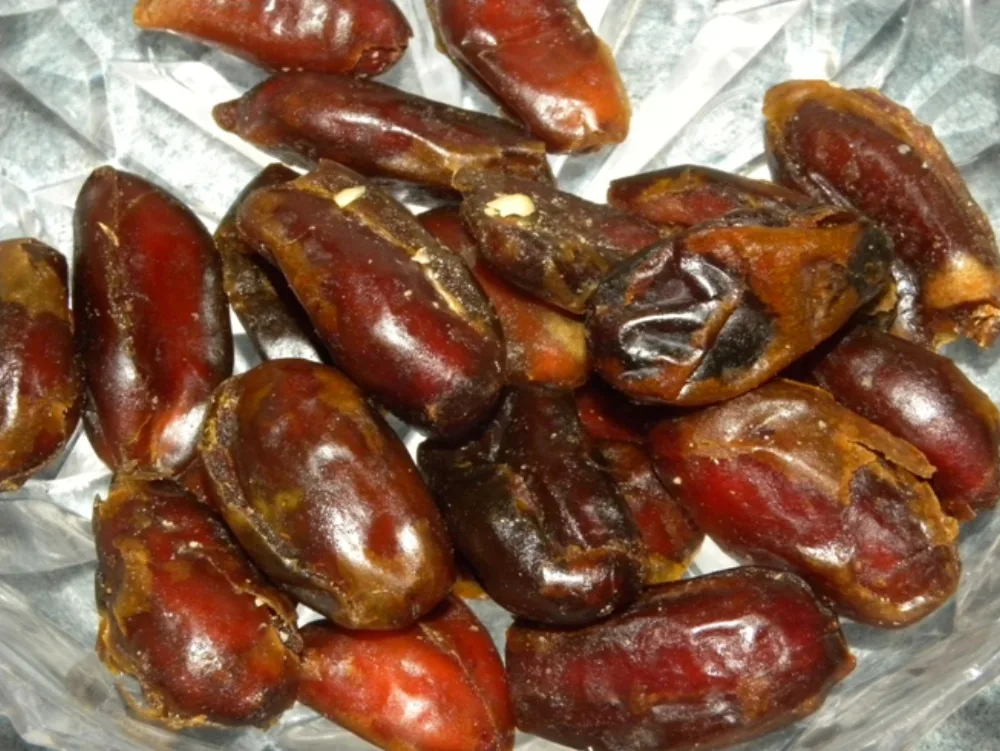
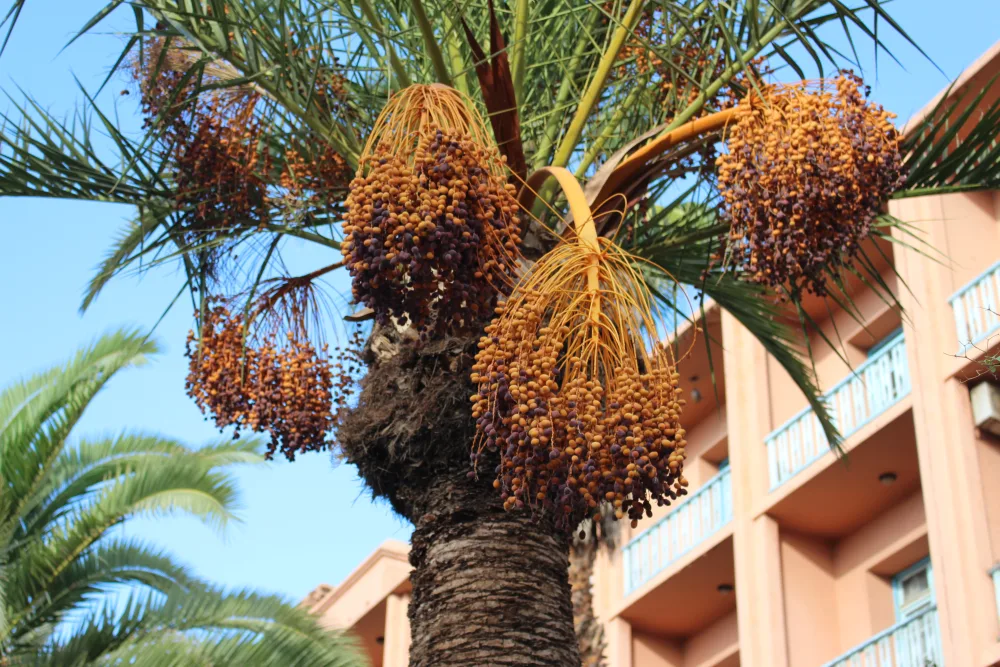
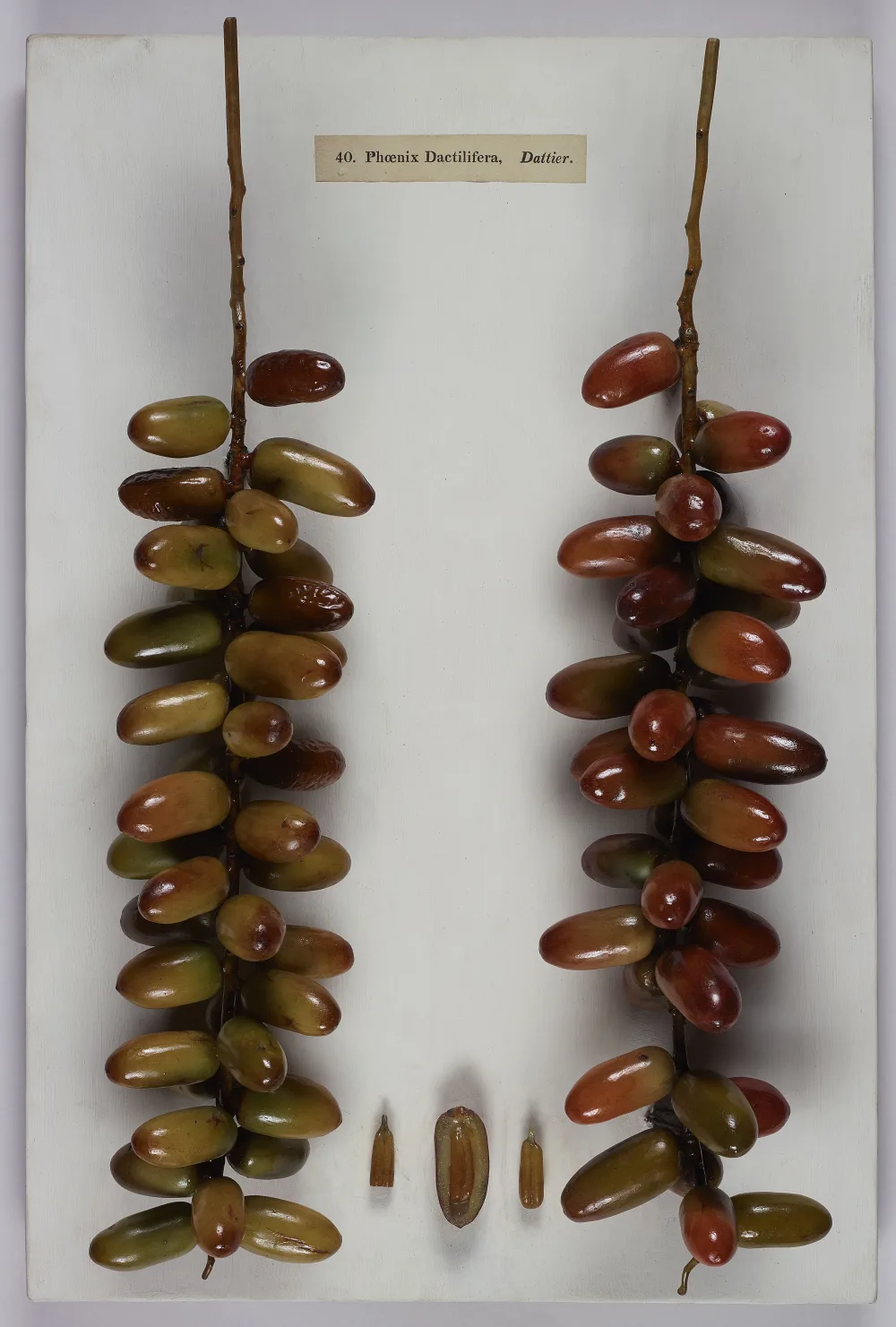
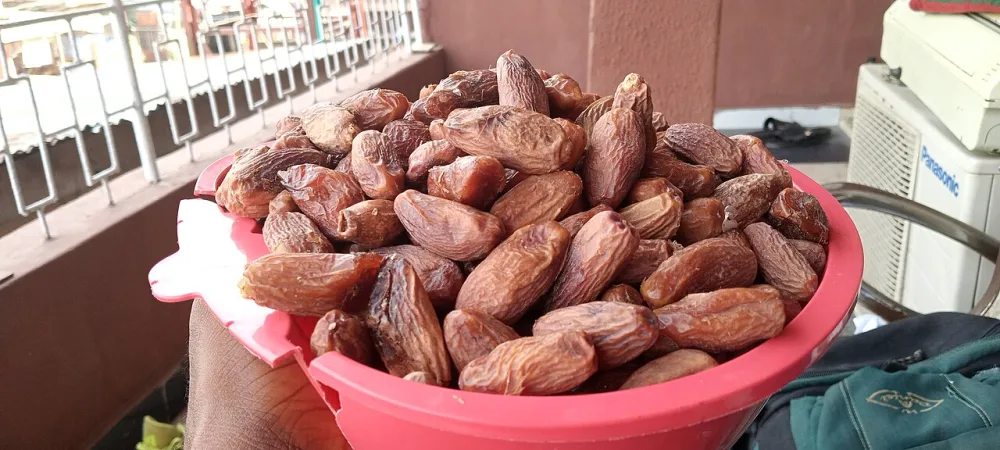
Two key terms: ruthab means dates still fresh and moist at their ripening stage, while tamr means dried dates — the form most of us buy. Both validly open the fast; ruthab is simply preferred when available, and water is the fallback when neither is at hand.
How Many Dates at Iftar?
Here is the part date sellers rarely say honestly: the belief that one must break the fast with three dates, or an odd number, does not rest on an authentic narration. Hadith researchers (including analysis published by alfahmu.id) conclude that the specific narration about breaking the fast with an odd number of dates is graded dhaif (weak).
What is authentic concerns the holiday instead: Sahih al-Bukhari no. 953 narrates that the Prophet ﷺ would not leave for the Eid al-Fitr prayer until he had eaten some dates, eating them in odd numbers. So the well-sourced "odd number" practice belongs to Eid morning — not daily iftar.
In practice, 1–3 dates is entirely sensible: enough to restore energy without feeling stuffed before Maghrib prayer. The calorie math (USDA FoodData Central, Medjool reference):
- 1 large date (±24 g) ≈ 66 kcal — 3 dates ≈ 200 kcal
- 1 small-medium date such as Sukkary or Zahedi (±8–11 g) ≈ 25–35 kcal — 3 dates ≈ 75–105 kcal
- Per 100 g, dates provide ±277 kcal, 6.7 g fiber, and 696 mg potassium
The Recommended Iftar Order
- Hasten to break the fast as soon as the Maghrib call sounds — promptness itself is encouraged.
- Say the supplication, then eat 1–3 dates with water.
- Pray Maghrib first, following the order in Anas' narration.
- Have the main meal afterward, in sensible portions.
Nutritionally the order makes sense: the natural sugars of dates (glucose and fructose) become quickly available to a body that has been empty all day, while Alkaabi et al. (Nutrition Journal, 2011) measured the glycemic index of five date varieties at 46.3–55.1 — low to medium. Energy rises briskly but not as sharply as with processed sweet drinks. Important note: this is educational information; people with diabetes should still limit portions and consult a clinician.
Which Date for Iftar?
Every variety fulfills the sunnah — the choice is taste and budget:
- Mass takjil & donations: Zahedi or Sayer — economical, weather-proof, easy to split into 3-date portions
- Daily family iftar: Sukkary — caramel-soft, loved by all ages
- A step up: Safawi or Mabroom — rich, mellower sweetness
- Special moments & gifts: Ajwa from Madinah or jumbo Medjool
Want to follow the ruthab of the hadith? Fresh semi-moist dates do appear seasonally in limited stock — ask our team about availability as Ramadan approaches.
The Wisdom in the Order: Dates, Water, Prayer, Then the Meal
This order is not a formality. After 13-plus hours of an empty digestive tract, attacking a full meal at once often ends in bloating, drowsiness through tarawih, and less enjoyment anyway. Dates and water act as the "system opener": quickly available natural sugars lift energy just enough, fluids come in first, and the pause for Maghrib prayer gives the body time to register fullness before the main plate arrives. Many find their dinner portions naturally more controlled with this pattern — simple logic that aligns with the order in the hadith, though of course not a medical claim.
5 Common Iftar Mistakes (and Their Fixes)
- Charging straight into heavy food — give the body a light opener and the prayer pause; appetite reads more honestly afterward
- Relying on packaged sweet drinks — sweetness arrives with no fiber; dates carry 6.7 g of fiber per 100 g as a natural brake
- Avoiding dates entirely for fear of sugar — what needs managing is the portion (1–3 dates), not erasing the sunnah; measured date GI is 46–55
- Forgetting to hasten iftar — set the date plate out in the afternoon; promptness itself is encouraged
- Over-hoarding takjil — war takjil is fun, but wasted food is real; today's leftover dates are still perfect tomorrow
A Practical Family Checklist
- Stock ±2 kg per family of four for two weeks; double it for the month
- Store in airtight containers; semi-moist varieties like Sukkary keep best chilled
- Set the date plate and water on the table before the call to prayer so hastening iftar is effortless
- Children need only 1–2 dates
- Order before the season: BPS data shows date imports peaking in January–February with prices climbing alongside
Need stock for your home, mosque, or office in Greater Jakarta? See our family Ramadan bundle and wholesale cartons, or consult directly via WhatsApp +62 823-4350-8579 — including if you would like help calculating a full month of takjil.