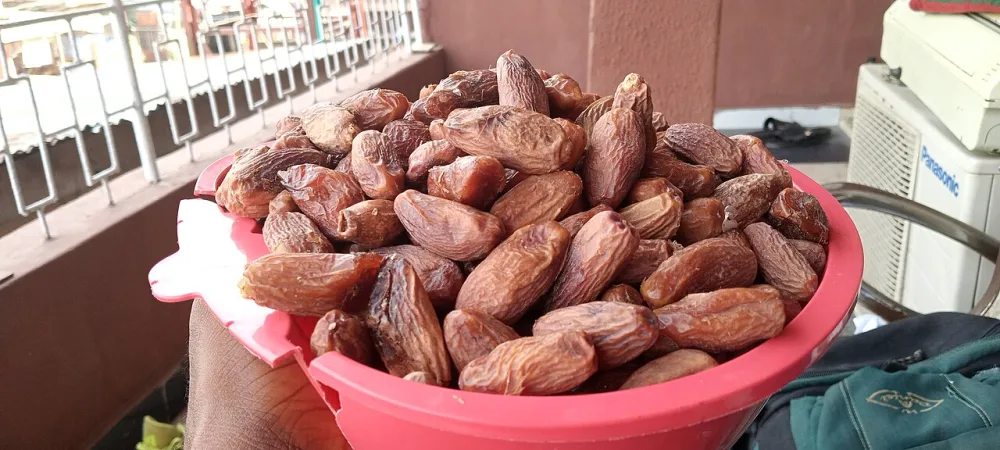
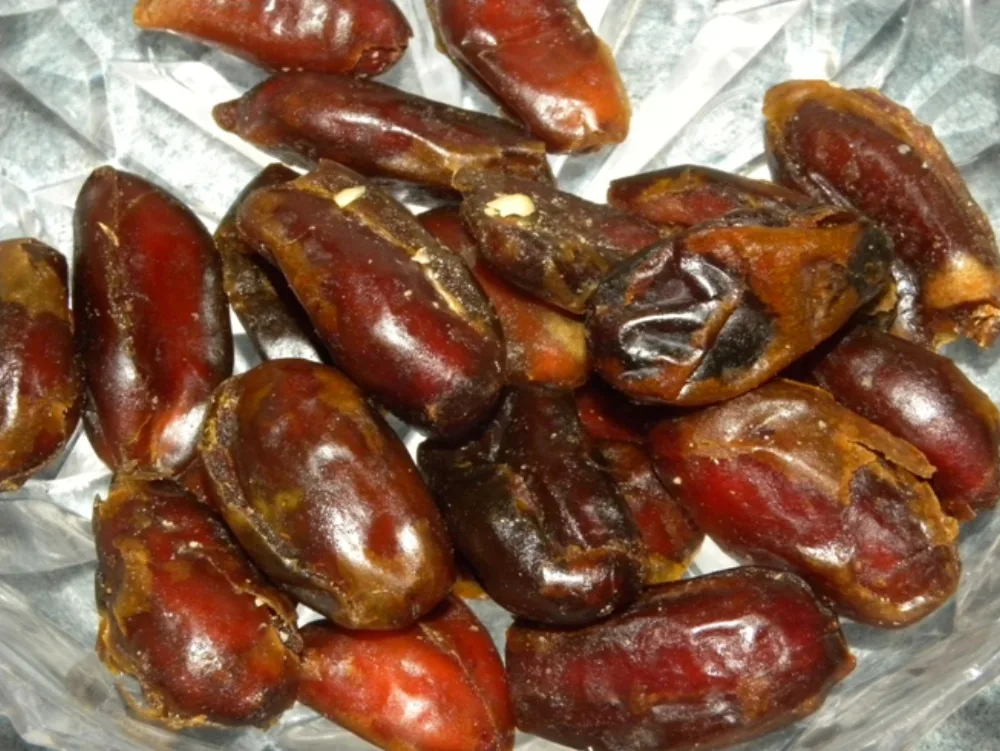
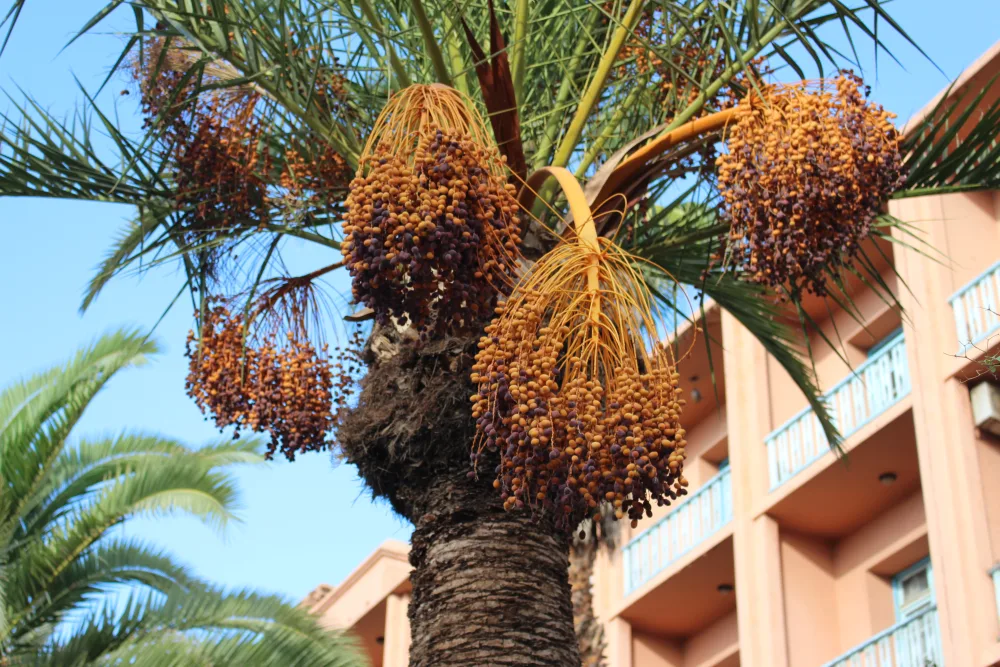
Every pre-Ramadan season, "Ramadan business ideas" articles bloom, and nearly all rank dates near the top — then stop there. None answers the aspiring seller's most important questions: where do I buy stock, how much capital, do the margins actually work? This article fills that gap with numbers you can re-run yourself — because a date takjil business idea is only useful when the spreadsheet closes.
Why Selling Dates in Ramadan Makes Sense
- Documented seasonal demand. Sellers joining marketplace Ramadan campaigns saw orders roughly double; one dates brand booked 247% sales growth through a campaign focused on a single product line; and transaction value during suhoor hours in Ramadan 2025 spiked around tenfold.
- The takjil-hunting culture — the war takjil phenomenon since 2024 keeps late-afternoon buyer traffic dense, across all walks of life.
- A forgiving product: dates don't spoil within hours like kolak, need no frying, and leftover stock still sells through Eid.
5 Date Takjil Product Ideas
1. Ready-to-Share 100 g Date Cups
The simplest product: 9–12 dates in a sealed cup. Core buyers are committees, offices, and families who would rather not weigh anything.
2. Repacked Value Packs for Ramadan
250 g, 500 g, and 1 kg packs under your own label. Many households look for dates by the kilo at vegetable stalls and corner shops — become your neighborhood's supplier.
3. Bottled Iced Date Milk
Rough-blend Sayer dates with milk, bottle at 250 ml, keep chilled. Low ingredient cost with a selling price rivaling trendy coffee.
4. Small-Bottle Nabeez
The rising date infusion drink. Cold chain is non-negotiable: soak 8–12 hours refrigerated, sell with a date label, consume within 24 hours.
5. Premium Stuffed Dates
Safawi or Mabroom stuffed with nuts/chocolate, boxed in 6–9s. The highest margin per gram on this list — aimed at gifts and iftar-event favors.
Capital & Margin Simulation per Carton
| Component | Sukkary 10 kg carton | Zahedi 5 kg carton |
|---|---|---|
| Carton price (early-bird → in-season) | Rp680,000–950,000 | Rp190,000–275,000 |
| Yield in 100 g cups | ±100 cups | ±50 cups |
| Date cost per cup | Rp6,800–9,500 | Rp3,800–5,500 |
| Cup + label + mini spoon | ±Rp1,200 | ±Rp1,200 |
| Typical selling price | Rp13,000–15,000 | Rp10,000–12,000 |
| Gross margin per cup | ±Rp3,500–6,000 | ±Rp3,500–7,000 |
| Margin potential per carton | ±Rp350,000–600,000 | ±Rp175,000–350,000 |
Look at the first row: the gap between pre-order and in-season pricing can reach Rp270,000 per Sukkary carton — that is your first margin, earned before you sell a single cup. BPS data shows import stock piling up in January–February and tightening in season; sellers who lock cartons in the D-90 wave start with the lightest capital structure.
Packaging & Food Safety Tips
- Wear plastic gloves or use tongs when repacking; line your work surface
- Cups and pouches must seal tight — dates are hygroscopic and absorb odors
- Label everything: product name, packing date, and your contact
- Keep displays out of direct sun; choose Zahedi/Sayer for open-air stalls since they tolerate heat
- Liquid products (date milk, nabeez) require a cooler box — no compromise
Location & Marketing Strategy
- Golden spots: roads to major mosques after Asr, takjil bazaars, and housing-complex gates 4–6 pm
- WhatsApp pre-orders: pitch neighborhood, complex, and office groups — a PO system erases daily leftover risk
- Daily WA status with product photos and remaining slots; consistency beats virality
- Subscription packs: a daily cup for 30 days for families — lock revenue at the month's start
Setting the Right Selling Price
Takjil prices have established psychological anchors: fried snacks at Rp2,000, fruit ice at Rp5,000–8,000, trendy coffee from Rp15,000 up. The healthiest position for a 100 g date cup is "affordable premium" at Rp10,000–15,000 — never price-war the fried snacks, because the class is genuinely different: date buyers pay for sunnah, practicality, and food-safety confidence. Two proven tricks: bundle a date cup + mineral water at Rp15,000 (a round grab-and-pay number), and keep one "value" Zahedi variant at Rp10,000 as the entry door for new buyers.
Leveling Up: From Stall to Value-Pack Reseller
Once your afternoon stall stabilizes, the next margin lives in repacked value packs: 250 g–1 kg packs offered to neighbors, housing-complex WhatsApp groups, and nearby shops. The pattern: secure 2–3 cartons in an early-bird wave, run weekly pre-orders with self-delivery around the neighborhood, and let shops add their retail margin above your price. Many resellers start with one carton in their first Ramadan and close the season with a dozen-plus — healthy growth because capital cycles weekly instead of sitting in stock.
Where to Start
- Pick one product first (the 100 g cup is safest for beginners)
- Set a realistic daily target — 30–50 cups for a first afternoon stall
- Lock raw stock in an early-bird wave (starting from one carton is fine)
- Test the first 3 days; note rush hours and which product sells out first
- Scale volume gradually; keep repack quality tidy
Hilal Kurma serves sellers from a single 5 kg carton to dozens, plus 1–5 kg value packs, from our Cakung, East Jakarta warehouse with fast delivery across Greater Jakarta. Talk through your selling plan — including variety choices per product — via WhatsApp +62 823-4350-8579, and lock carton prices before the season eats your margin.