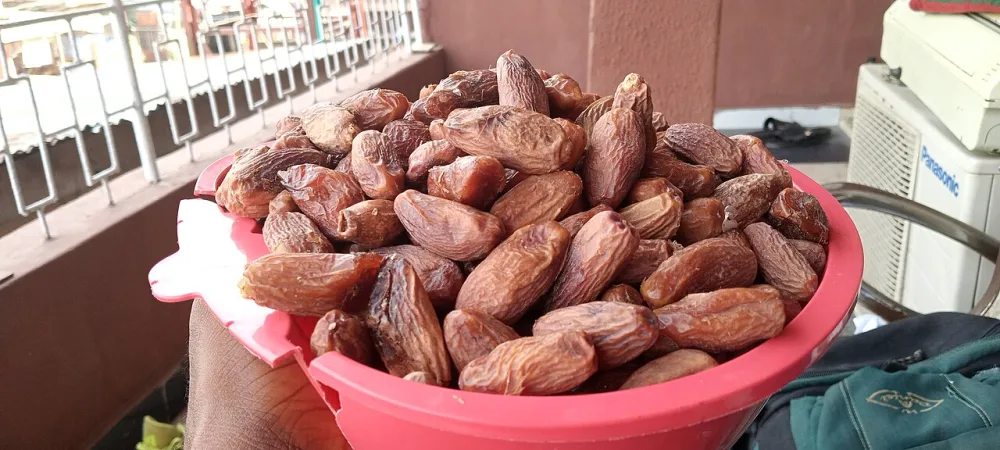
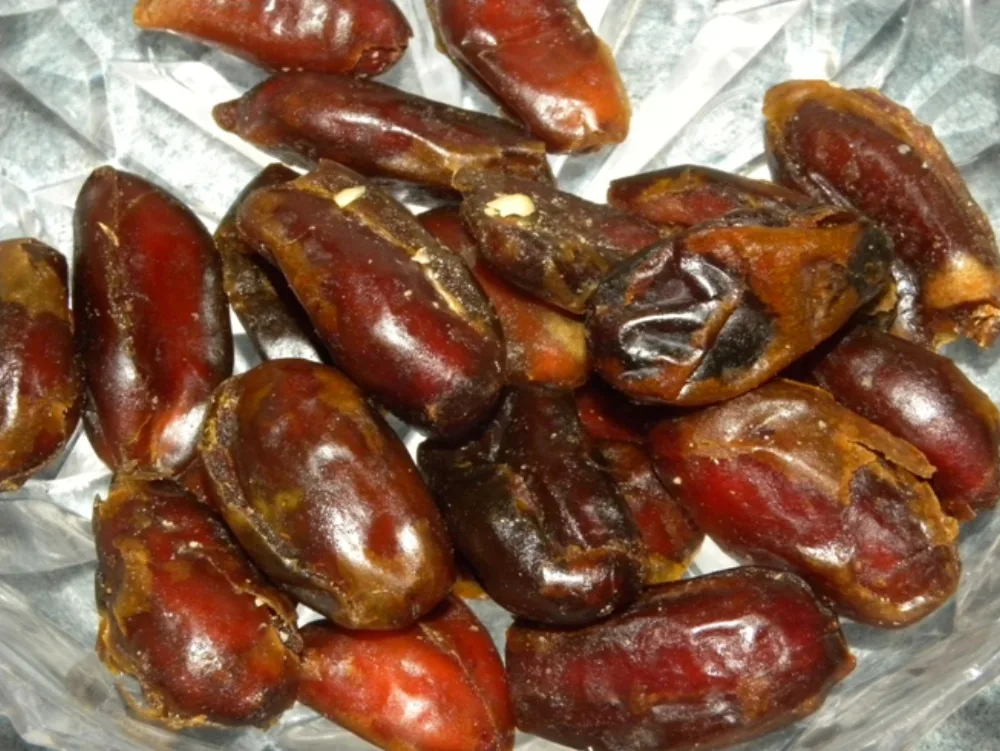
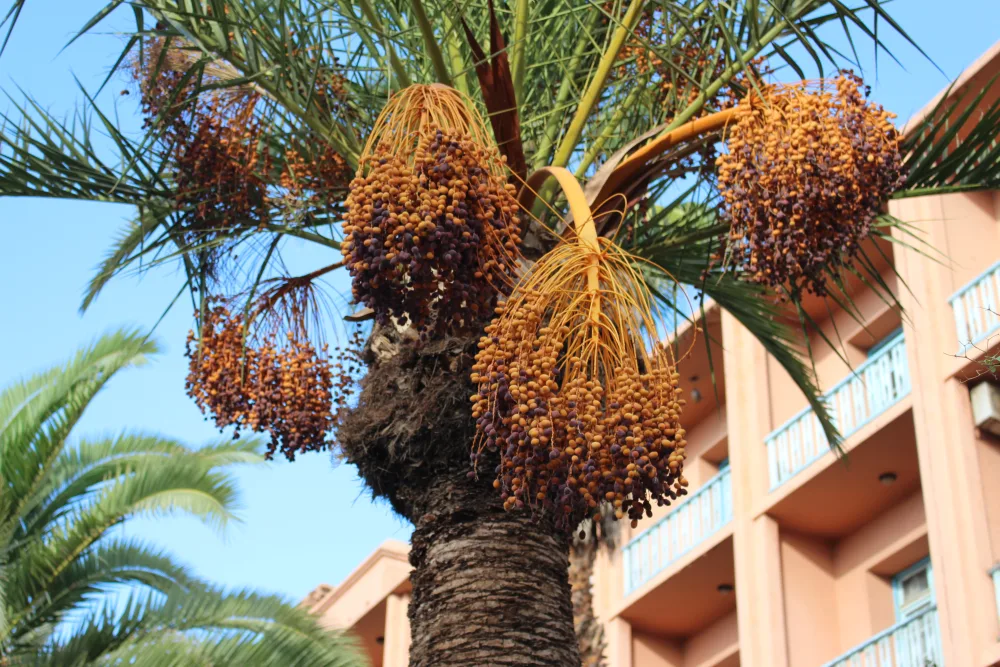
Nabeez water is a simple sunnah drink made by soaking dates (or raisins) in water for several hours. Lately, nabeez has regained popularity as a suhoor and iftar drink for being refreshing and aiding hydration. Unfortunately, many circulating recipes skip one crucial point: the safe time limit that keeps the infused water from turning alcoholic. This article summarizes how to make nabeez correctly along with its basis and guardrails.
What Nabeez Is and Its Basis
In hadith narrations, nabeez was prepared for the Prophet ﷺ by soaking dates or raisins in a vessel of water. From Ibn Abbas, nabeez was soaked at night and drunk the next day — and from 'Aisha's narration, if made at night it was drunk by day, and if made by day it was drunk at night. Crucially, the Prophet ﷺ would not drink it once roughly two to three days had passed; the rest was given to a servant or poured out (Sahih Muslim no. 2004; sunnah.com). This is the basis for why nabeez should be consumed fresh and not stored long.
How to Make Nabeez Water (Step by Step)
- Prepare 3–7 pitted dates (a handful of raisins also works). Many sources note the habit of using an odd number.
- Place them in a glass of boiled water (about 250–300 ml) in a clean, covered container.
- Soak for 8–12 hours — usually soaked at night and drunk at suhoor or in the morning.
- Drink the infused water, and the softened dates may be eaten too.
- Do not mix dates and raisins in the same soak; pick one.
Indonesian and international recipe sources agree on this basic method (jakmall.com, rri.co.id, hijamanaturalhealing.com).
The Safety Rule You Must Not Skip
This is the most important part. Because nabeez contains the natural sugar of dates, soaking too long triggers fermentation and can produce alcohol (khamr).
| Aspect | Recommendation |
|---|---|
| Soak time | 8–12 hours (never more than 24 hours) |
| Storage | In the fridge, in a covered container |
| Best consumed | Within 1 day (do not let it reach 3 days) |
| Signs to discard | Sour taste/smell, fizziness, or an alcoholic note |
Several Malaysian and Indonesian sources stress: do not soak and store for more than three days, after which the infused water can ferment into khamr and is unfit to drink (siraplimau.com, ecentral.my). Following the Prophet's ﷺ practice of discarding leftover nabeez after two–three days is the safest guardrail.
Why Nabeez Is Popular During Ramadan
Beyond its sunnah value, nabeez is popular for being practical and refreshing. The infused water absorbs natural sugars and some nutrients from the dates — including natural carbohydrates, fiber, and minerals like potassium and magnesium. For context on whole-date content, USDA FoodData Central records Medjool dates per 100 g as having about 696 mg potassium and 6.7 g fiber. Many people use nabeez as a substitute for packaged sweet drinks at suhoor. Even so, health claims should be viewed reasonably — nabeez is a complementary drink, not a medicine. (Educational information, not medical advice; people with certain conditions should consult a clinician.)
Date Nabeez vs Raisin Nabeez: What's the Difference?
Both are nabeez, just with different ingredients. Date nabeez tastes softer with a rounded sweetness, ideal for those who love the flavor of dates. Raisin nabeez tends to be lighter with a slight natural tartness. The key reminder: the two are never mixed in one vessel — pick one to taste. For daily consumption during Ramadan, many choose date nabeez because you can also eat the softened dates after soaking, making it a filling suhoor snack.
When Is the Best Time to Drink Nabeez?
Given the 8–12 hour soak, the two most practical timings are:
- Soak after tarawih, drink at suhoor. This is the most common pattern — the water has fully infused and feels refreshing to start suhoor as a substitute for packaged sweet drinks.
- Soak in the morning, drink at iftar. An alternative if you prefer to break the fast with a light drink before eating plain dates and the main meal.
Whatever the timing, the same principle applies: make just enough for one serving so it's always fresh, and don't store leftovers too long.
Tips for Tastier and Safer Nabeez
- Use cool boiled or room-temperature water, not hot water, to keep the soak controlled and avoid speeding up fermentation.
- Choose clean, quality dates; budget varieties like Sayer or Zahedi are economical for daily nabeez.
- Rinse the dates briefly before soaking to clean their surface.
- Make just enough for one serving so it is always fresh; adding more dates doesn't make it healthier, only sweeter.
- Keep the soaking vessel in the fridge rather than left out overnight in a hot climate like Greater Jakarta, for better protection against fast fermentation.
- If a sour smell, fizz, or sharp alcoholic note appears, do not drink it — discard and make a fresh batch.
In short, nabeez is an easy and pleasant sunnah drink as long as one rule is kept: fresh is better than aged. By soaking 8–12 hours, storing in the fridge, and consuming it within a day, you get a refreshing drink without worrying it will turn into something not halal.
Because nabeez is best made fresh daily, an economical semi-dry variety is the practical choice for a month's stock. Hilal Kurma's Sayer and Zahedi value packs suit this need, and if you also want sweeter dates to eat straight after soaking, a family bundle with Sukkary makes a good complement. Order via WhatsApp +62 823-4350-8579 and we'll deliver fast across Greater Jakarta.